
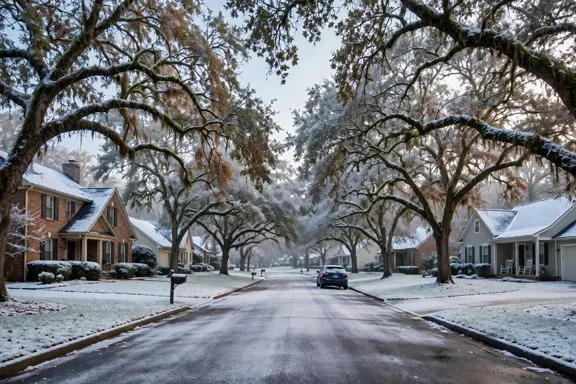
Yes, it snows in Raleigh, NC. But if you picture snow the way the Northeast or Midwest gets it, reset your expectations. Raleigh averages a little over five inches of snow per year, according to the NC State Climate Office, and most of it arrives in a handful of small events between December and February. Some winters deliver almost nothing at all. Every decade or so, though, the city gets a storm people talk about for years, and ice, not snow, is the winter weather Raleigh residents respect most. If you are still forming your picture of the city, start with what Raleigh is known for, then read on for the full snowfall story.
Quick take: Yes, it snows in Raleigh, North Carolina. The 30-year average is a little over 5 inches of snow per year, mostly in January and February, with some winters seeing none at all. The record single storm dropped 20.3 inches on January 25, 2000. Ice storms, especially the December 2002 storm that left up to 1.8 million people without power, are the bigger winter threat. Newcomers should know the city shuts down easily, schools close readily, and winter tires are not a way of life here.
1. How much snow does Raleigh get?
How much does it snow in Raleigh, NC? Less than you probably think. The 1991 to 2020 climate normals put Raleigh’s average at a little over five inches of snow per year, according to the NC State Climate Office. For perspective, January 2000 alone delivered 25.8 inches, which by itself adds nearly an inch to that 30-year average. That tells you everything about Raleigh snow: the average is built from mostly quiet winters plus the occasional blockbuster. The National Weather Service’s January normal for RDU airport is 2.6 inches, and January 2022 landed almost exactly there with 2.7 inches. Winter daytime highs here typically run from the high 20s to the mid 50s, according to Visit Raleigh, so snow melts fast when it does come.
2. When does it snow in Raleigh?
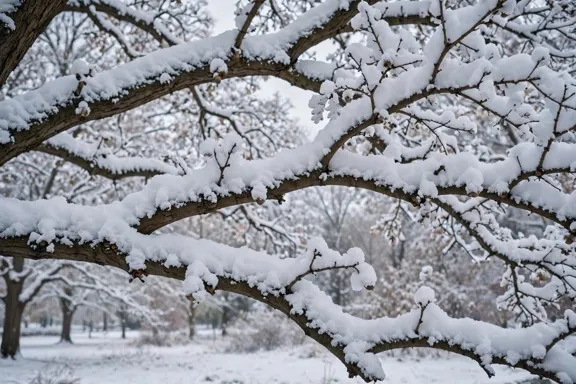
When does it snow in Raleigh, NC? The snow season runs roughly November through March, but the real window is December through February, with January the snowiest month. Early and late season events are usually dustings that melt by afternoon. March snow is possible but uncommon, and snowfall outside the November to March window is essentially unheard of. If you are asking how often it snows in Raleigh, NC, think of it this way: a typical winter brings a handful of wintry events, most of them light, with one memorable storm every several years and a truly historic one about once a decade.
3. The biggest snowstorms in Raleigh history
Raleigh’s snowfall history is defined by a few legendary storms separated by long quiet stretches. Here are the ones locals still talk about:
| Date | Snowfall | Why it matters |
| January 25, 2000 | 20.3 inches at RDU | All-time single-storm record; the ‘Carolina Crusher’; poorly forecast; 250,000 lost power |
| December 25-26, 2010 | 5+ inches in central NC | Rare white Christmas across nearly all 100 NC counties |
| February 12, 2014 | 3.5 inches plus freezing rain | ‘Snowpocalypse’; Glenwood South gridlock and iconic memes |
| January 17-18, 2018 | About 4 inches in the Triangle | State of emergency; the eastern part of the state hit hardest |
| December 9-10, 2018 | 9 inches in Raleigh | Heaviest December snow in years |
| January 21-22, 2022 | 2.3 inches at RDU | Most recent meaningful storm before the 2020s snow drought |
The January 2000 storm, nicknamed the Carolina Crusher and sometimes called Raleigh’s Snowmageddon, remains the benchmark. Forecast models expected only trace amounts; instead, cold air surged in overnight and a coastal low strengthened explosively. RDU measured 20.3 inches, the all-time single-storm snowfall record for Raleigh-Durham with records back to 1887, and the month totaled 25.8 inches in Raleigh. The surprise made national news on CNN and in the New York Times, and a quarter century later it is still the storm every forecast gets measured against.
4. Ice storms are Raleigh’s real winter threat
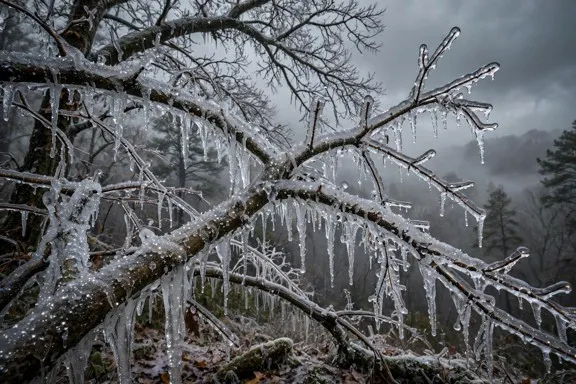
Ask a longtime resident what winter weather worries them and many will say ice, not snow. Raleigh sits in a classic setup for freezing rain called cold air damming. A strong high pressure system to the north funnels cold air south, and the Appalachian Mountains trap that shallow cold wedge near the surface while warmer air rides above it. Precipitation melts as it falls through the warm layer, then freezes on contact with trees, power lines, and roads, as the NC State Climate Office explains.
The December 2002 ice storm is the nightmare scenario. From December 4 to 5, up to an inch of freezing rain coated central North Carolina, the most freezing rain Raleigh had seen from a single storm since 1948. As many as 1.8 million people lost power, some for nearly 10 days, and 24 people died. Ice, unlike snow, brings down limbs and power lines across entire counties, which is why a quarter inch of ice can cause more damage than six inches of snow. When locals talk about preparing for winter, this is the storm they are preparing for.
5. Why Raleigh shuts down for an inch of snow
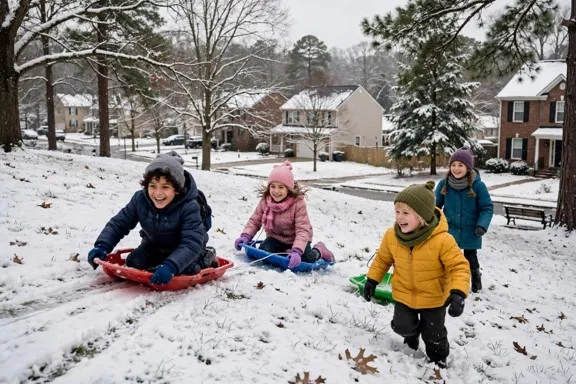
If you move here from the North, the first snow forecast will confuse you. Grocery shelves empty of bread and milk, schools close the night before, and the city essentially pauses for what looks like a dusting. There are practical reasons: the region owns limited plowing equipment, bridges and overpasses ice over fast in the freeze-thaw cycle, and most drivers here rarely practice on snow. Local officials would rather close schools than risk buses on untreated roads. Embrace it. The bread-and-milk run is a local tradition, snow days are beloved, and everything reopens quickly because the snow usually melts within a day or two.
6. What winter means if you are moving to Raleigh
Relocating from a snowy state? Winter gets simpler here, not harder. A few practical notes for newcomers:
You do not need a snowblower or winter tires. A shovel, a bag of ice melt, and patience cover the vast majority of Raleigh winters.
Protect your pipes. Hard freezes in the teens happen most winters, so know where your main water shutoff is and cover exposed outdoor spigots.
Plan for outages, not blizzards. Power loss from ice and falling limbs is the bigger risk, so tree-heavy neighborhoods benefit from a portable generator and charged devices.
Stay home when it ices. Bridges and overpasses freeze first, and all-wheel drive does not help on ice. If you must drive, go slow and leave generous following distance.
Have a snow-day backup plan. Schools close readily here, so working parents should line up childcare options before the first forecast.
For the full moving picture beyond weather, see our guide to Moving to Raleigh, NC.
7. Recent winters: the snow drought and its end
Raleigh went through a genuine snow drought in the 2020s. Winter 2022-23 was the 10th winter since 1944 with no measurable snowfall in Raleigh, and by January 2024 the snowless streak had reached two years, the third-longest on record, according to the NC State Climate Office. Then winter returned: January 2025 brought multiple wintry events to central North Carolina, ending the drought. The lesson for newcomers is that Raleigh winters are variable. You might get several snow days one year and nothing the next, and that unpredictability is exactly why the city treats every forecast seriously.
Raleigh snow at a glance
| Question | Short answer |
| Does it snow in Raleigh, NC? | Yes |
| How much snow per year? | A little over 5 inches (1991-2020 average) |
| Snowiest month? | January (2.6 inches is normal at RDU) |
| Snow season? | November to March, mostly December to February |
| Record single storm? | 20.3 inches on January 25, 2000 |
| Biggest winter threat? | Ice storms; December 2002 is the benchmark |
| Last measurable snow? | January 2025, after a drought stretching back to January 29, 2022 |
| Do schools close for snow? | Readily, even for small amounts |
Frequently Asked Questions
Does it snow in Raleigh every year?
Most years bring at least a dusting, but not every year. Winter 2022-23 had no measurable snow in Raleigh, the first snowless winter since 2005-06.
How often does it snow in Raleigh, NC?
A typical winter brings a handful of wintry events, usually light. Memorable storms come every several years, and truly historic ones about once a decade.
When was the last time it snowed in Raleigh, NC?
Measurable snow returned in January 2025 after a nearly three-year drought. The previous measurable snow had fallen on January 29, 2022.
Does Raleigh get ice storms?
Yes, and they cause more damage than snowstorms. The December 2002 ice storm coated the region in up to an inch of ice, the most freezing rain from a single storm since 1948, and left up to 1.8 million people without power.
Do I need snow tires or a snowblower in Raleigh?
No. Most winters need nothing more than a shovel, ice melt, and patience. Ice is the real hazard, so stay off the roads when freezing rain is falling.
Is winter a bad time to move to Raleigh?
No. Winters are mild, with daytime highs often in the 40s and 50s. Just avoid scheduling moving day during an active winter storm warning. See our guide to Moving to Raleigh, NC.
Is Raleigh a good place to live?
Raleigh’s mild winters are one reason it consistently ranks among the country’s best places to live. For the full picture, see our guide on whether Raleigh, NC is a good place to live.
Mild winters, easy living
So, does it snow in Raleigh, NC? Yes, just enough to be charming and rarely enough to be a burden. About five inches a year, a white Christmas once in a generation, the occasional legendary storm, and winters that mostly stay in the 40s and 50s. For relocators weighing winter weather, Raleigh offers one of the mildest four-season climates on the East Coast. If mild winters and an easy lifestyle sound like your kind of move, Patty Owens, a Raleigh REALTOR with Compass, helps buyers and relocating families find the right Triangle neighborhood every day. Book a Call at 919-602-0612 or through the contact page to talk through a relocation plan, or keep researching with the Raleigh relocation guide and things to do in Raleigh once you are here.