Raleigh is North Carolina’s capital and one of the fastest-growing cities in the country, but ask a local what the city is known for and you will get a longer answer than you expect. Raleigh is known for its oak-lined streets, its place at the center of the Research Triangle, free museums that rival those of much larger cities, a serious food and craft beer scene, and an outdoor culture built around more than 100 miles of greenways. This guide breaks down the 12 things that define Raleigh, NC, with the local context that actually matters if you are thinking about moving here.
Quick take: Raleigh is best known as the “City of Oaks,” North Carolina’s capital city, and the anchor of the Research Triangle, one of the country’s leading hubs for technology, research, and higher education. It is also known for free world-class museums, a nationally recognized food and craft beer scene, more than 100 miles of greenways, the Carolina Hurricanes, and being one of America’s fastest-growing cities, crossing 500,000 residents in 2025.
1. The City of Oaks
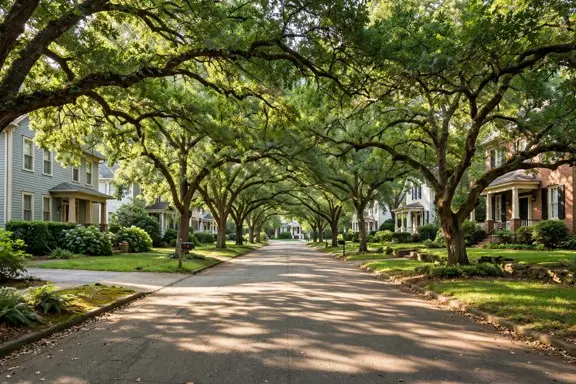
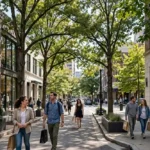
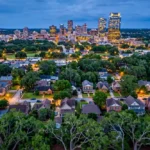
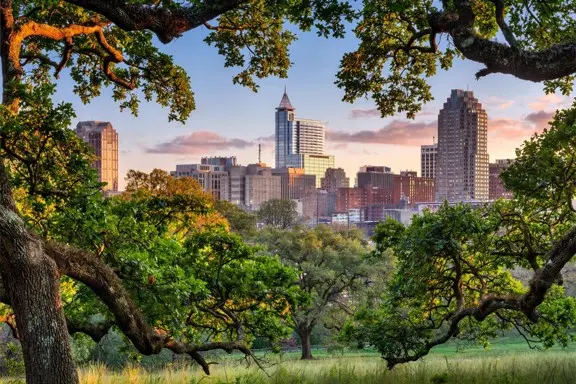
Raleigh’s most famous nickname is the “City of Oaks,” and it dates back to the city’s founding. According to the city’s official visitor bureau, Raleigh’s founding fathers called it the City of Oaks in 1792 and dedicated themselves to maintaining the area’s wooded tracts and grassy parks. The name stuck because it was true then and it is still true now. Mature oaks line residential streets, shade downtown squares, and even greet visitors landing at RDU. White oaks and red oaks are the most common varieties you will see, along with magnolias, dogwoods, and cedars. For newcomers, the tree canopy is one of the first things that makes Raleigh feel different from other fast-growing Sun Belt cities.
2. North Carolina’s capital, founded in 1792
Raleigh was founded in 1792 specifically to serve as North Carolina’s capital, and it holds a distinction no other state capital can claim: it is the only state capital to have been planned and established by a state as the seat of state government. The city was named for Sir Walter Raleigh, the English explorer and courtier who sponsored expeditions to the North Carolina coast in the 1580s. Downtown still reflects its planned origins. The North Carolina State Capitol sits at the center of the original grid, and state government remains one of the city’s major employers and a stabilizing force in the local economy.
3. The heart of the Research Triangle
Raleigh forms one corner of the Research Triangle, along with Durham and Chapel Hill. The region takes its name from the three major research universities that anchor it: North Carolina State University in Raleigh, Duke University in Durham, and the University of North Carolina at Chapel Hill. Raleigh is the largest city in the combined Raleigh-Durham-Chapel Hill area. The concentration of universities shapes daily life here in visible ways, from the steady stream of graduates entering the local workforce to the college sports loyalties that divide households and neighborhoods. If you are comparing towns across the metro, explore the Raleigh and Wake County communities to see how each one fits a different lifestyle.
4. Research Triangle Park
Between Raleigh and Durham sits Research Triangle Park, usually called RTP, one of the largest research parks in the world. Founded in 1959, the park covers 7,000 acres and is home to more than 385 companies, including major operations for Cisco Systems, Lenovo, IBM, and Novartis. The park was created through a partnership of government, business, and academia to keep graduates in North Carolina and diversify an economy once dependent on agriculture, textiles, and furniture. It worked. RTP’s strength in technology, pharmaceuticals, and biotechnology is a core reason the Triangle attracts relocating professionals, and it is the economic engine behind much of the region’s housing demand.
5. NC State University
North Carolina State University gives Raleigh its college-town energy. Founded on March 7, 1887 as the North Carolina College of Agriculture and Mechanic Arts, NC State is a public land-grant research university and part of the University of North Carolina System. It is the largest university in the Carolinas, with nearly 40,000 students enrolled as of fall 2025. The Wolfpack compete in the ACC, and game days reshape traffic patterns across the city. Beyond NC State, Wake County is home to 11 principal colleges and universities, which helps explain the area’s young, educated population and its constant pipeline of renters and first-time buyers.
6. Free, world-class museums
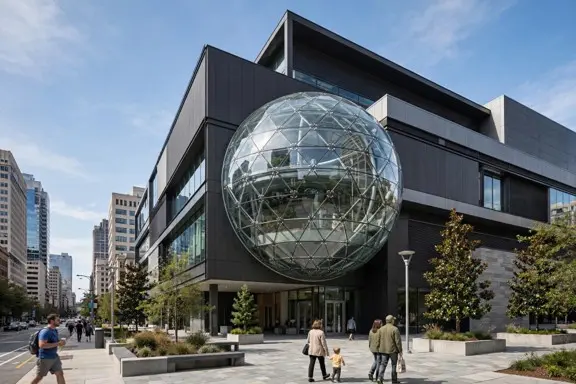
Raleigh’s museum scene is one of its best-kept secrets, and much of it is free. The North Carolina Museum of Natural Sciences, established in 1879, is the oldest museum in the state and the largest natural history museum in the Southeast. Its downtown campus draws more than a million visitors a year with four floors of exhibits, live animals, and the three-story SECU Daily Planet theater. The North Carolina Museum of Art pairs a permanent collection spanning 5,000 years, including an extensive Rodin collection, with the 164-acre Ann and Jim Goodnight Museum Park, one of the largest museum art parks in North America, threaded with trails and outdoor sculpture. The North Carolina Museum of History rounds out a downtown museum district where a family can spend an entire day without paying admission.
7. Greenways and an outdoor lifestyle
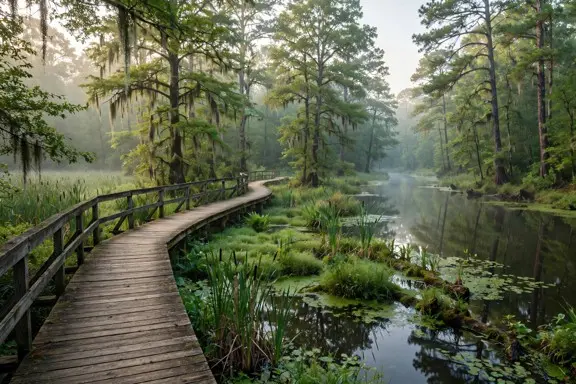
Raleigh’s Capital Area Greenway system includes 28 trails totaling more than 100 miles of paved paths for walking, running, cycling, and skating. The signature route is the Neuse River Greenway Trail, 27.5 miles of paved trail running along the Neuse River from Falls Lake, with boardwalks through wetlands, suspension bridges, and historic sites along the way. It is also a segment of the Mountains-to-Sea Trail, which crosses North Carolina from the Smoky Mountains to the Outer Banks. For buyers, greenway access is a genuine quality-of-life factor. Homes near trailheads in neighborhoods across the city command attention precisely because this kind of connected outdoor infrastructure is hard to retrofit into a city after the fact. Our guide to where to live in Raleigh, NC breaks down neighborhoods by lifestyle, including trail access.
8. Parks with real history
Two parks tell you a lot about Raleigh’s character. Pullen Park, opened on March 22, 1887, is the oldest public park in North Carolina. The 66-acre park next to NC State’s campus still runs its historic Gustave A. Dentzel carousel, listed in the National Register of Historic Places, along with a miniature train and pedal boats on Lake Howell. A few miles northwest, William B. Umstead State Park protects more than 5,500 acres of forest, lakes, and trails between Raleigh and the airport. Having a wilderness-scale park that close to downtown is rare for a city this size, and it is one of the reasons relocating families cite when they choose the Triangle.
9. A nationally recognized food scene
Raleigh has grown into one of the South’s most interesting food cities. Chef Ashley Christensen, whose restaurants include Poole’s Diner, won the James Beard Award for Outstanding Chef, putting Raleigh on the national culinary map, and a new generation of Raleigh chefs continues to earn James Beard nominations and semifinalist honors. The city’s food identity blends Eastern North Carolina whole-hog barbecue traditions with chef-driven restaurants, food halls like Transfer Co., and a strong farmers market culture. National publications regularly praise the city’s dining, and for newcomers it is a pleasant surprise: this is not a city where you have to hunt for a good meal.
10. A craft beer destination
Raleigh is also known for craft beer. The city’s signature event is Brewgaloo, North Carolina’s largest craft beer festival, held each year on Fayetteville Street in downtown Raleigh with more than 100 North Carolina breweries, local food trucks, and live music drawing tens of thousands of attendees. April is the city’s official craft beer month, anchored by a Raleigh Beer Trail of local breweries. The brewery scene clusters in districts like the Warehouse District and around downtown, and it has become part of the social fabric for the young professionals moving here for RTP and downtown jobs.
11. Sports, music, and festivals
Raleigh is a hockey town. The Carolina Hurricanes of the NHL play at Lenovo Center and won the Stanley Cup in 2006, defeating the Edmonton Oilers in seven games to bring North Carolina its first major professional sports championship. The music calendar is just as full. The Hopscotch Music Festival takes over downtown each September with more than 100 acts spanning rock, hip-hop, electronic, and experimental music. Raleigh hosted the International Bluegrass Music Association’s World of Bluegrass festival for 12 years; after it moved to Chattanooga in 2025, local nonprofit PineCone launched Raleigh Wide Open to carry the bluegrass tradition forward. And each fall, the North Carolina State Fair, the state’s largest annual event, draws crowds to the fairgrounds for more than a week.
12. One of America’s fastest-growing cities
Raleigh’s growth is itself something the city is known for. According to U.S. Census Bureau vintage 2025 estimates, Raleigh crossed the 500,000-resident mark, reaching 506,306 as of July 1, 2025, up from 499,017 a year earlier. An October 2026 LendingTree analysis ranked Raleigh the number two boomtown in America, behind only Austin, based on population growth, migration, housing construction, and economic activity. The Raleigh area welcomed 19.1 million visitors in 2025. Growth brings traffic and rising home prices, but it also brings the jobs, restaurants, and amenities that keep drawing people here. If you are considering a move, understanding this growth story matters, because it shapes everything from commute patterns to which neighborhoods are appreciating fastest. If a job is bringing you here, read Moving to Raleigh, NC for the practical side of the move.
What Raleigh is known for, at a glance
| Known for | What it means | Why it matters if you are moving here |
| City of Oaks | Oak-lined streets and a protected tree canopy dating to 1792 | Neighborhood character and shade; mature landscaping is a local selling point |
| State capital | Founded 1792; only state capital planned by a state as its seat of government | Stable government employment base downtown |
| Research Triangle | Raleigh, Durham, and Chapel Hill anchored by three research universities | Deep talent pool and steady professional migration |
| Research Triangle Park | 7,000-acre research park founded 1959; 385+ companies | The region’s economic engine; drives housing demand near RTP corridors |
| NC State University | Land-grant university founded 1887; nearly 40,000 students | College-town energy; rental and first-time buyer demand near campus |
| Free museums | Largest natural history museum in the Southeast; 164-acre museum art park | Big-city culture without big-city costs; family-friendly weekends |
| Greenways | 100+ miles of paved trails; 27.5-mile Neuse River Trail | Outdoor lifestyle baked into the city; trail access adds livability |
| Historic parks | Pullen Park (1887); 5,500-acre Umstead State Park | Recreation minutes from downtown; rare for a growing metro |
| Food scene | James Beard-recognized chefs; whole-hog BBQ traditions | Dining quality that surprises newcomers |
| Craft beer | Brewgaloo, the state’s largest beer festival; 100+ NC breweries | Social scene for young professionals |
| Sports and festivals | Hurricanes (2006 Stanley Cup); Hopscotch; State Fair | Year-round events calendar; strong local identity |
| Rapid growth | 506,306 residents in 2025; #2 U.S. boomtown | Job growth and appreciation potential, plus competitive housing |
Frequently Asked Questions
Why is Raleigh called the City of Oaks?
Raleigh’s founding fathers called it the City of Oaks in 1792 and committed to preserving the area’s wooded tracts and parks. The nickname stuck because mature oak trees still line streets, parks, and neighborhoods throughout the city, giving Raleigh a tree canopy that visitors notice immediately.
Is Raleigh named after Sir Walter Raleigh?
Yes. The city was named in 1792 for Sir Walter Raleigh, the English explorer, writer, and courtier who sponsored expeditions to the North Carolina coast in the 1580s, including the attempt to establish the Roanoke Colony. A bronze statue of Raleigh stands in the city honoring its namesake.
What is the Research Triangle?
The Research Triangle is the Raleigh-Durham-Chapel Hill region, named for its three major research universities: North Carolina State University, Duke University, and the University of North Carolina at Chapel Hill. At its center sits Research Triangle Park, a 7,000-acre research park founded in 1959 that anchors the region’s technology, pharmaceutical, and biotechnology economy.
What food is Raleigh known for?
Raleigh is known for Eastern North Carolina whole-hog barbecue, Southern cooking, and a chef-driven restaurant scene that has earned national recognition, including a James Beard Award for Outstanding Chef. Food halls, farmers markets, and a strong craft brewery culture round out the city’s food identity.
What is there to do in Raleigh for free?
Plenty. The North Carolina Museum of Natural Sciences, the North Carolina Museum of Art’s permanent collection and 164-acre Museum Park, and the North Carolina Museum of History all offer free general admission. The Capital Area Greenway system’s 100+ miles of trails, Pullen Park’s grounds, and Umstead State Park are also free to enjoy.
How big is Raleigh?
The City of Raleigh reached 506,306 residents as of July 1, 2025, according to U.S. Census Bureau vintage 2025 estimates, making it North Carolina’s second-largest city after Charlotte. The broader Raleigh-Cary metro area is home to well over 1.5 million people and continues to grow faster than most U.S. metros.
Is Raleigh a good place to live?
Raleigh consistently ranks among the country’s best places to live thanks to its job market, universities, relatively affordable housing for a growing metro, greenways, and food scene. For a deeper look at the pros, cons, and costs, see our guide on whether Raleigh, NC is a good place to live.
What is Raleigh’s biggest annual event?
The North Carolina State Fair, held each fall at the State Fairgrounds, is North Carolina’s largest annual event. Downtown festivals like Brewgaloo, Hopscotch Music Festival, and Raleigh Wide Open also draw large crowds each year.
The bottom line for newcomers
Raleigh is known for a lot of things, but they add up to a coherent picture: a capital city with deep roots, a research economy that keeps it young and growing, free culture, serious food and beer, and an outdoor life most cities its size cannot match. That combination is exactly why so many people searching “what is Raleigh known for” end up searching “homes for sale in Raleigh” next.
If Raleigh sounds like your kind of city, the next step is understanding its neighborhoods, commute patterns, and what your budget buys in different parts of town. Patty Owens, a Raleigh REALTOR with Compass, helps buyers and relocating families navigate the Triangle every day. Book a Call at 919-602-0612 or through the contact page to talk through a Triangle relocation plan, or start with the Raleigh relocation guide to keep researching.