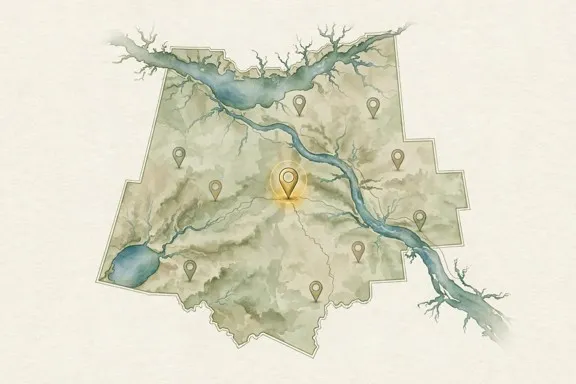
Wake County, North Carolina is home to 12 municipalities: Raleigh, Cary, Apex, Holly Springs, Fuquay-Varina, Garner, Knightdale, Morrisville, Wake Forest, Rolesville, Wendell, and Zebulon. Raleigh, the state capital, is the county seat and by far the largest. Small portions of two neighboring municipalities, Durham and Angier, also extend into Wake County. If you are still getting to know the area, start with what Raleigh is known for, then use this guide to meet every city and town in Wake County and figure out which one fits your move.
Quick take: Wake County has 12 municipalities: one city (Raleigh, the county seat) and 11 towns, though North Carolina officially designates Raleigh and a small part of Durham as the county’s cities. The 2020 Census counted 1,129,410 residents, making Wake the most populous county in North Carolina, and 2024 estimates put it near 1.23 million. About 82 percent of residents live inside a municipality and 18 percent in unincorporated areas.
1. Wake County at a glance
Wake County sits in central North Carolina’s Piedmont region and anchors the Research Triangle alongside Durham and Orange counties. It was formed in 1771 and named for Margaret Wake, and Raleigh has been its county seat since the city was founded as the state capital in 1792.
| Fact | Detail |
| County seat | Raleigh |
| 2020 Census population | 1,129,410 (most populous county in NC) |
| 2024 population estimate | About 1,232,444 |
| Municipalities | 12 (1 city, 11 towns) |
| Largest municipality | Raleigh |
| Share living in municipalities | 82 percent (2020 Census) |
| Region | Central NC Piedmont; Research Triangle |
Population figures come from Wake County’s census demographics page and U.S. Census Bureau estimates.
2. The complete list of cities and towns in Wake County
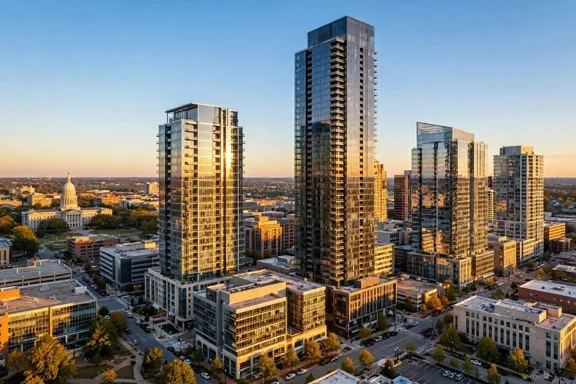
Here is every municipality in Wake County, ordered by 2020 Census population within the county, with what each place is known for. Populations are the Wake County portions from the 2020 Census, per Wake County.
| Municipality | Type | 2020 pop. (Wake Co.) | Where it sits | Known for |
| Raleigh | City | 466,106 | Central | State capital and county seat; downtown, universities, museums, jobs |
| Cary | Town | 171,012 | West | Large suburb near RTP; planned neighborhoods, greenways, highly rated schools |
| Apex | Town | 58,780 | Southwest | ‘Peak of Good Living’; historic downtown, fast growth |
| Wake Forest | Town | 46,097 | North | Historic downtown; family-friendly northern Wake |
| Holly Springs | Town | 41,239 | Southwest | Fast-growing family suburb; newer developments |
| Fuquay-Varina | Town | 34,152 | South | Two merged downtowns; revitalized Main Street |
| Garner | Town | 31,159 | South | Close to downtown Raleigh; value for the location |
| Morrisville | Town | 29,423 | Northwest | Diverse community between Raleigh, Durham, and Cary near RTP and RDU |
| Knightdale | Town | 19,435 | East | Newer neighborhoods east of Raleigh; growing retail |
| Wendell | Town | 9,793 | East | Small-town charm; one of the fastest-growing towns |
| Rolesville | Town | 9,475 | Northeast | Small and growing; near Wake Forest |
| Zebulon | Town | 6,903 | Far east | Small-town and rural edge; partly in Johnston County |
A quick note on the edges: small portions of Durham and Angier also cross into Wake County, which is why Wake County lists 13 municipalities in some election materials. For everyday purposes, the 12 above are the county’s cities and towns.
3. A quick character sketch of each town
Population numbers only tell part of the story. Here is how each Wake County municipality actually feels, in the terms relocating buyers ask about most.
Raleigh
The capital city holds about 40 percent of the county’s population and nearly all of its urban energy: downtown districts, the state government complex, three major universities nearby, free museums, and the region’s biggest job base. Neighborhoods range from historic Oakwood to new downtown condos to sprawling suburbs like North Raleigh. If you want the full picture of living here, see where to live in Raleigh, NC.
Cary
Cary is the county’s second-largest municipality and its most famous suburb, sitting between Raleigh and Research Triangle Park. It is known for carefully planned neighborhoods, an extensive greenway system, and schools that relocating families consistently ask about. Prices run higher than most neighboring towns, reflecting the demand.
Apex
Apex, whose motto is the Peak of Good Living, pairs a genuinely charming historic downtown with some of the Triangle’s fastest residential growth. It sits southwest of Raleigh near major employment corridors, making it a favorite for buyers who want small-town character without a painful commute.
Wake Forest
North of Raleigh, Wake Forest has grown from a quiet college town into a full-fledged suburb with a walkable historic downtown. It appeals to buyers who want more space and a slightly slower pace while staying inside the Raleigh orbit.
Holly Springs
Holly Springs, southwest of Raleigh, has transformed from a tiny crossroads into one of the county’s most popular family suburbs, with newer subdivisions, parks, and retail following the rooftops.
Fuquay-Varina
South of Raleigh, Fuquay-Varina is actually two historic towns, Fuquay Springs and Varina, that merged in 1963. Its revitalized downtown and relatively affordable new construction draw buyers priced out of closer-in suburbs.
Garner
Garner sits just south of Raleigh, offering one of the shortest commutes into downtown among the suburbs, plus generally lower home prices than Cary or Apex. It is a practical pick for buyers who want proximity and value.
Morrisville
Morrisville is small but strategically placed between Raleigh, Durham, and Cary, minutes from both Research Triangle Park and RDU airport. It is one of the most diverse towns in the county and popular with tech workers who want a central location.
Knightdale
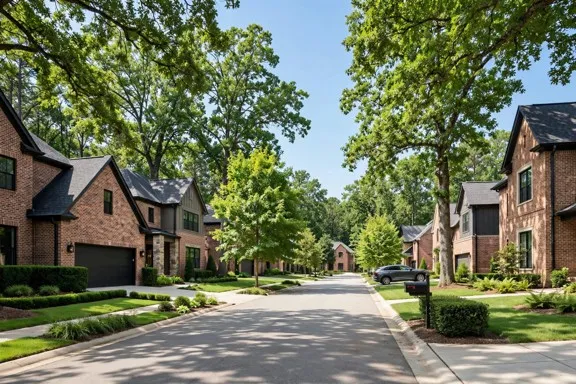
East of Raleigh, Knightdale has grown quickly with newer neighborhoods and retail, offering more house for the money than western suburbs. Its location along major corridors keeps downtown Raleigh within easy reach.
Wendell
Wendell keeps a genuine small-town feel with a historic downtown, even as it posts some of the fastest percentage growth in the county. Buyers here trade a longer commute for charm and relative affordability.
Rolesville
Rolesville, northeast of Raleigh near Wake Forest, is one of the county’s smallest towns and still growing into itself. It suits buyers who want a quiet, residential setting close to northern Wake amenities.
Zebulon
On the county’s far eastern edge, Zebulon blends small-town life with a rural setting, and part of the town extends into Johnston County. It is the most affordable entry point into Wake County for buyers comfortable with the distance.
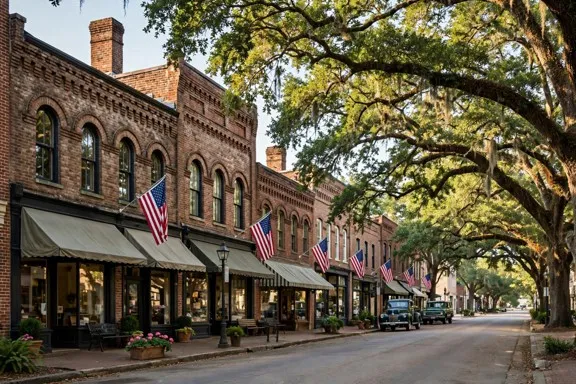
4. Which Wake County town is right for you?
Every week, relocating buyers ask the same question in different words: where should we land? Use your priorities as the filter:
| Your priority | Towns to look at first |
| Short commute to downtown Raleigh | Raleigh, Garner, Knightdale |
| Short commute to Research Triangle Park | Cary, Morrisville, Apex |
| Top-rated schools a top concern | Cary, Apex, Holly Springs, Morrisville |
| Maximum house for the budget | Garner, Knightdale, Wendell, Zebulon, Fuquay-Varina |
| Walkable historic downtown | Raleigh, Apex, Wake Forest, Fuquay-Varina |
| Small-town feel | Wake Forest, Wendell, Zebulon, Rolesville |
| Newer subdivisions and amenities | Holly Springs, Apex, Fuquay-Varina, Knightdale |
This is a starting filter, not a verdict. Neighborhoods vary street by street, and the right fit depends on your commute, budget, and daily life. Compare them side by side in our guide to Raleigh and Wake County communities.
5. Towns that cross county lines
Several Wake County municipalities spill into neighboring counties: Cary into Chatham County, Raleigh and Morrisville into Durham County, Wake Forest into Franklin County, and Zebulon into Johnston County. County lines matter more than most newcomers expect. They determine your property tax rate, your school district, where you vote, and which sheriff’s office and county services cover you. When you tour a home near a town’s edge, always confirm which county the property sits in before you assume anything about taxes or schools.
Frequently Asked Questions
What county is Raleigh in?
Raleigh is in Wake County, and it is the county seat. A small portion of the city extends into Durham County.
What county is Cary, North Carolina in?
Cary is mostly in Wake County, with a small portion extending into Chatham County.
How many cities are in Wake County?
Wake County has 12 municipalities. North Carolina officially designates Raleigh as a city, while the other 11 are towns. Small portions of Durham (a city) and Angier (a town) also cross into Wake County.
What is the largest city in Wake County?
Raleigh, with 466,106 residents in its Wake County portion in the 2020 Census. It is also the state capital and the county seat.
Which town in Wake County is growing the fastest?
Wendell and Zebulon posted the fastest percentage growth from 2020 to 2024 among Wake municipalities, with Apex, Fuquay-Varina, and Holly Springs also growing rapidly.
Is Morrisville in Wake County?
Yes, Morrisville is in Wake County, with a small portion extending into Durham County. It sits between Raleigh, Durham, and Cary near Research Triangle Park.
Where is Wake County in North Carolina?
Wake County is in central North Carolina’s Piedmont region. It anchors the Research Triangle alongside Durham and Orange counties, about two hours from the coast and three hours from the mountains.
Do I have to live in a town to live in Wake County?
No. About 18 percent of Wake County residents live in unincorporated areas outside any municipality, according to the 2020 Census.
Is Raleigh a good place to live?
Raleigh consistently ranks among the country’s best places to live, and its suburbs share the strong job market and schools that drive the rankings. For the full picture, see our guide on whether Raleigh, NC is a good place to live.
Twelve towns, one county, your fit
Wake County’s 12 municipalities cover the full spectrum of Triangle life, from downtown Raleigh condos to Cary suburbs to small-town main streets in Wendell and Zebulon. The county lines are simple. The choice is personal: commute, budget, schools, and daily rhythm decide it more than any ranking.
Patty Owens, a Raleigh REALTOR with Compass, helps buyers and relocating families compare Wake County towns street by street every day. Book a Call at 919-602-0612 or through the contact page to talk through which town fits your move, or keep researching with the Raleigh relocation guide and Moving to Raleigh, NC.